New Carbon Capture and CO2 Utilization Technologies

Register to View On-Demand
Summary
Rising atmospheric CO2 levels and the cost of carbon capture and sequestration present challenges for the Oil & Gas, Chemical/Petrochemical, and Power/Utilities industries. Current carbon capture and utilization (CCU) technologies generally fall into two categories: physical and chemical methods, each introducing unique Fire and Life Safety considerations.
This presentation provides an overview of traditional carbon capture and sequestration methods, where CO2 is captured from industrial processes and transported for underground storage or enhanced oil recovery. These physical methods have posed limited fire and life safety concerns.
The discussion then shifts to emerging chemical utilization technologies, focusing on electrochemical CO2 reduction (CO2RR) and electrocatalytic reactors. These systems convert CO2 into value-added chemicals using electrical energy and are among the most promising CCU solutions.
Attendees will learn about key electrocatalytic reduction pathways, resulting products, and hazards that influence Fire and Life Safety system design. The presentation will address compliance considerations related to NFPA, IFC, IBC, and applicable codes. A case study will demonstrate how process and hazard information can be used to develop detection, monitoring, and emergency response strategies, including recommendations for device placement within a 3D facility model.
The goal is to provide Fire & Safety system designers, HSE managers, first responders, and community stakeholders with a practical understanding of CO2 electrolysis technologies and their safety implications. Participants will gain guidance on identifying hazards, selecting detection and monitoring technologies, and implementing effective response measures for pilot-scale and commercial electrocatalytic reactor facilities. This presentation is particularly valuable for professionals responsible for Fire and Life Safety systems supporting carbon capture and CO2 utilization projects.
Speaker
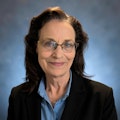
Jean Berthold
Staff Application Engineer
Draeger, Inc
With over 30 years of experience in process gas analysis, gas detection and monitoring, and fire and flame detection applications, Ms Berthold combines deep industry expertise with a strong scientific foundation as a chemist and biochemist educated at SUNY and in High‑Tech Marketing at UC Berkeley. She is a Voting Member of several influential standards committees, including ISA 84, ISA 84.91, NFPA 72, ISA TC‑31, and ISA TR 84.00.07WG7, where she also serves as a contributing author. Ms Berthold currently works at Draeger, Inc. in Engineering as the Subject Matter Expert in Process Safety and Fire & Gas system design, supporting the development of advanced safety solutions for critical industrial environments.
Moderator