Valmet to automate two Vietnamese hydropower plants
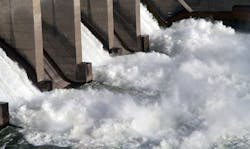
Valmet Oyj reported Feb. 2 that it will provide automation systems for Daklo 1-3 Power Co., Ltd.’s Daklo 1 and Daklo 3 hydropower plants presently under construction in Kon Plong ward, Quang Ngai province, Vietnam. They’ll control and monitor all essential hydropower processes, ensure safe, reliable, high‑performance electricity generation, and support sustainability goals by optimizing water balance and maximizing energy and operational efficiency.
Local Valmet partner Industries Equipment and Solution Company Ltd. (IESC) ordered the automation systems as part of its contract with dams’ engineering procurement and construction (EPC) contractor. Valmet will implement distributed control systems (DCS) and electric governor controls for Daklo 1 and Daklo 3. The project’s scope also covers engineering, design, supply and commissioning of the complete automation system to ensure safe, reliable, and efficient operation.
Terms of the purchase were not disclosed.
“This solution ensures long-term reliability and efficiency through robust performance, complemented by competitive pricing,” says Nguyen Viet Cuong, deputy director of IESC. “Valmet’s local lifecycle support and collaborative approach with our EPC partner gave us confidence in a successful implementation.”
“This project demonstrates Valmet’s commitment to Vietnam’s renewable energy sector, particularly hydropower, by providing advanced automation solutions and strong local partnerships,” says Huynh Quang Tuyen, sales manager for automation solutions at Valmet. “Through close collaboration, we can ensure long-term lifecycle support and operational excellence.”
With capacities of 12 MW and 22 MW, respectively, Daklo 1 and Daklo 3 are expected to be key sources of renewable energy in Quang Ngai province. These run-of-river plants will contribute clean electricity to Vietnam’s national grid, support regional energy supply, and efficiently utilize local water resources through modern hydropower infrastructure. The plants are expected to enter commercial operation in spring 2027.
About the Author
 Jim Montague