Ciner Glass backs sustainability certification
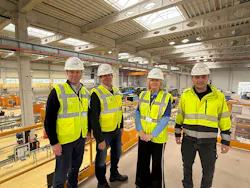
Ciner Glass reaffirmed its commitment to sustainable glass production on Mar. 23 at the container glass plant it’s building in Lommel, Belgium, by supporting the ResponsibleGlass program, which is reported to be the first global sustainability certification program for the glass value chain.
The new facility is focusing on reducing environmental impact, maximizing resource efficiency, and embedding circular operations. These include optimized furnace design, increased use of recycled glass (cullet), advanced emission‑reduction technologies, and a long‑term pathway aligned with the sector’s decarbonization goals. This backdrop enables Ciner to support ResponsibleGlass, which is creating clear, credible and auditable sustainability standards from raw material sourcing and production to recycling and end use.
Following its launch last year, ResponsibleGlass established a multi‑stakeholder council that gathers manufacturers, suppliers and major glass users across sectors ranging from automotive to soda ash production. Its founding members and partners include ARUP, Belron, Ciner, Glass Futures, Jaguar, Climate Group, IRMA, NSG Group, Stara Glass and WE Soda. The council is developing ResponsibleGlass standard, Version 1.0, which is expected to be published later this year. It will give manufacturers a clear, practical blueprint for responsible glass production and a pathway toward a globally recognized and trusted standard.
This standard is needed because glass production remains energy‑intensive, and is responsible for an estimated 95 million tonnes per year of CO2 emissions worldwide. Unlike sectors such as steel or forestry, glass has lacked a globally recognized sustainability certification framework. ResponsibleGlass aims to change this by developing an independent, auditable certification system that covers emissions reduction, circularity, worker health and safety, and responsible sourcing of raw materials for flat, container and specialty glass processes.
“Launched at a time when collaboration is key, ResponsibleGlass is built on a multi‑stakeholder approach where industry insight meets environmental accountability,” says Francis Sullivan, chair of ResponsibleGlass. “This model has already proven effective in other hard‑to‑abate sectors. By working with committed manufacturers such as Ciner Glass, we can build a transparent, credible framework that drives meaningful change across the entire glass value chain.”
Jeroen Bloemen, corporate affairs manager at Ciner Glass Belgium, adds, “We’re is committed to building glass manufacturing capacity that meets the expectations of the future, not just in terms of efficiency and scale, but also transparency and responsibility. Glass is inherently a circular material, but sustainability can’t be taken for granted. Clear standards, accountability and continuous improvement are essential, which is why ResponsibleGlass is so important for our industry.”