Bootcamp demonstrates automation foundations
Key Highlights
- Digitalization narrows the knowledge gap between new and seasoned engineers by providing shared learning starting points.
- Soft skills like communication, problem-solving and teamwork are increasingly crucial, especially with remote work and distributed teams.
- Actemium-Avanceon’s boot camp and partnerships with educational institutions emphasize practical experience and continuous professional development.
One unexpected benefit of digitalization and other rapid technological advances is that old and young engineers may be equally unfamiliar with them. Consequently, the knowledge gap between them isn’t so wide in some spots because they both have to learn some things from the same starting point.
“For us, developing engineers starts with the hiring process. Technical competency is important, but we also look closely at a candidate’s ability to communicate, solve problems and work effectively with others. Those are skills that aren’t always emphasized as part of an engineering education,” says Tracey Johnson, operations VP at Actemium-Avanceon, a system integrator in Exton, Pa., and a founding and certified member of the Control System Integrators Association (CSIA). “As technology advances, I think some of the traditional knowledge gap between newer and more experienced engineers will narrow.
“AI and other digital tools can help people access information, learn technologies, and solve certain problems faster than they could in the past. However, those tools don’t replace experience, judgment or understanding a client’s business. Engineers still need to understand why a customer is making an investment, what outcome they’re trying to achieve, and how to communicate clearly throughout a project.”
Johnson reports that interpersonal communications and other soft skills are even more crucial now because more engineers and other personnel are working remotely since the COVID-19 pandemic, and often applying for jobs located much further away. Consequently, Actemium-Avanceon isn’t limited to local candidates, recruits nationally, and interacts with staff, who are distributed much more widely.
“Having access to a larger talent pool allows us to focus not only on what someone knows today, but also on their potential,” explains Johnson. “We can teach technologies, tools and processes. What we really look for are people who are curious, motivated, willing to learn, able to think critically and work effectively with others.”
Learning to walk the two-way street
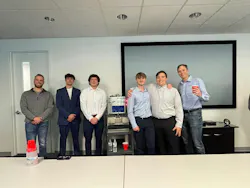
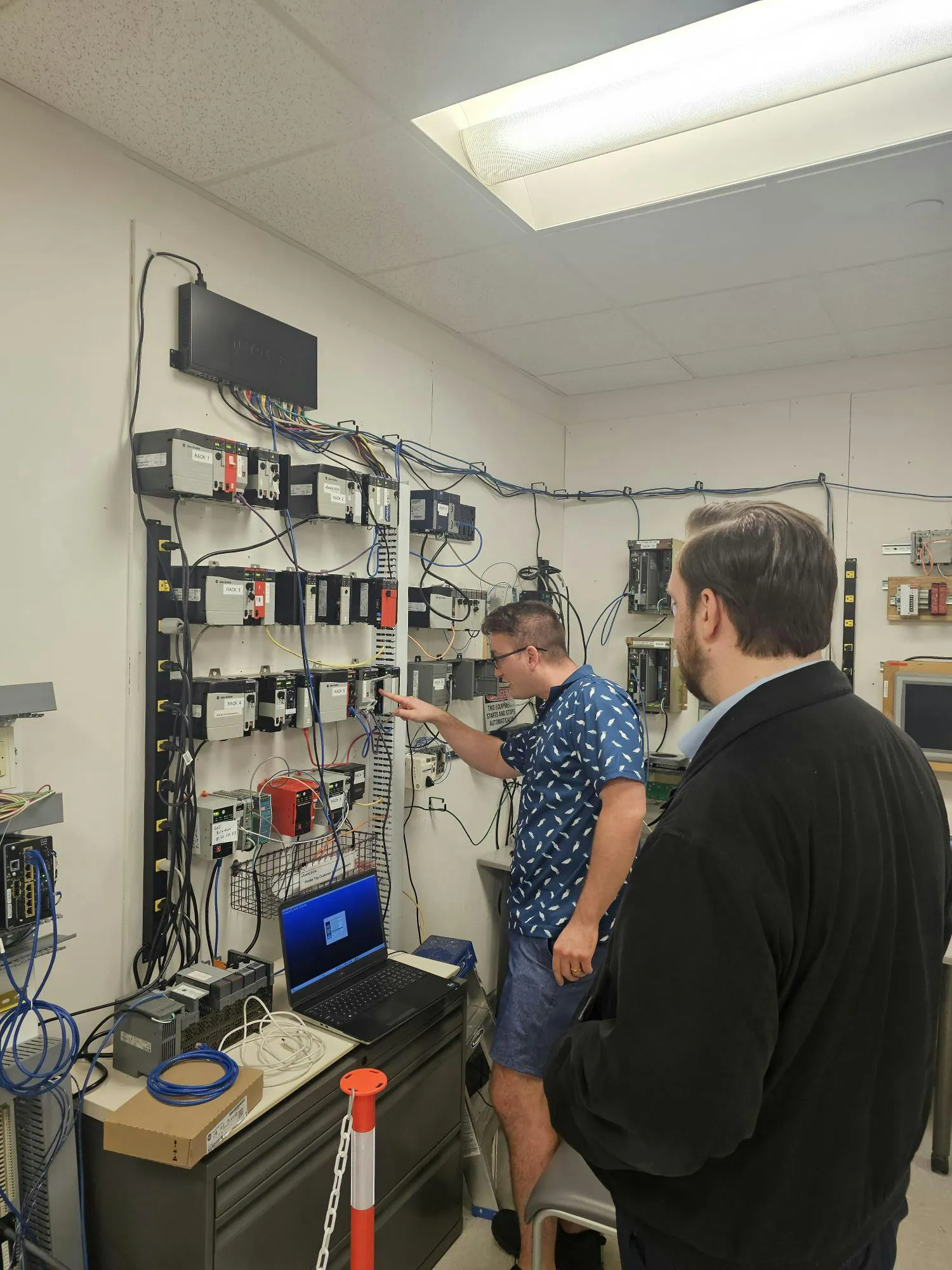
Actemium-Avanceon prefers that its new hires have technical education, of course, but it also believes that practical experience is even more important. So, every spring for the past several years, it’s brought in two to four entry-level engineers, and put them through a boot camp on the foundations of automation. It consists of a self-paced training course, as well as regular project work, which includes shadowing more-experienced staff and performing many basic tasks. This also lets the company’s team leaders serve as mentors (Figure 1).
“We wanted to make mentoring more effective for both new engineers and experienced staff, so the boot camp gives new hires a foundation before they begin relying heavily on senior team members,” explains Johnson. “That allows our experienced engineers to spend more of their mentoring time on applied learning, judgment and real project situations, rather than focusing primarily on the basics. This program also reinforces something I believe strongly about professional development—it’s a two-way street. Managers have a responsibility to coach people, provide opportunities and help them grow, but employees also have to invest in themselves and take ownership of their development. The best growth happens when both sides are actively participating.”
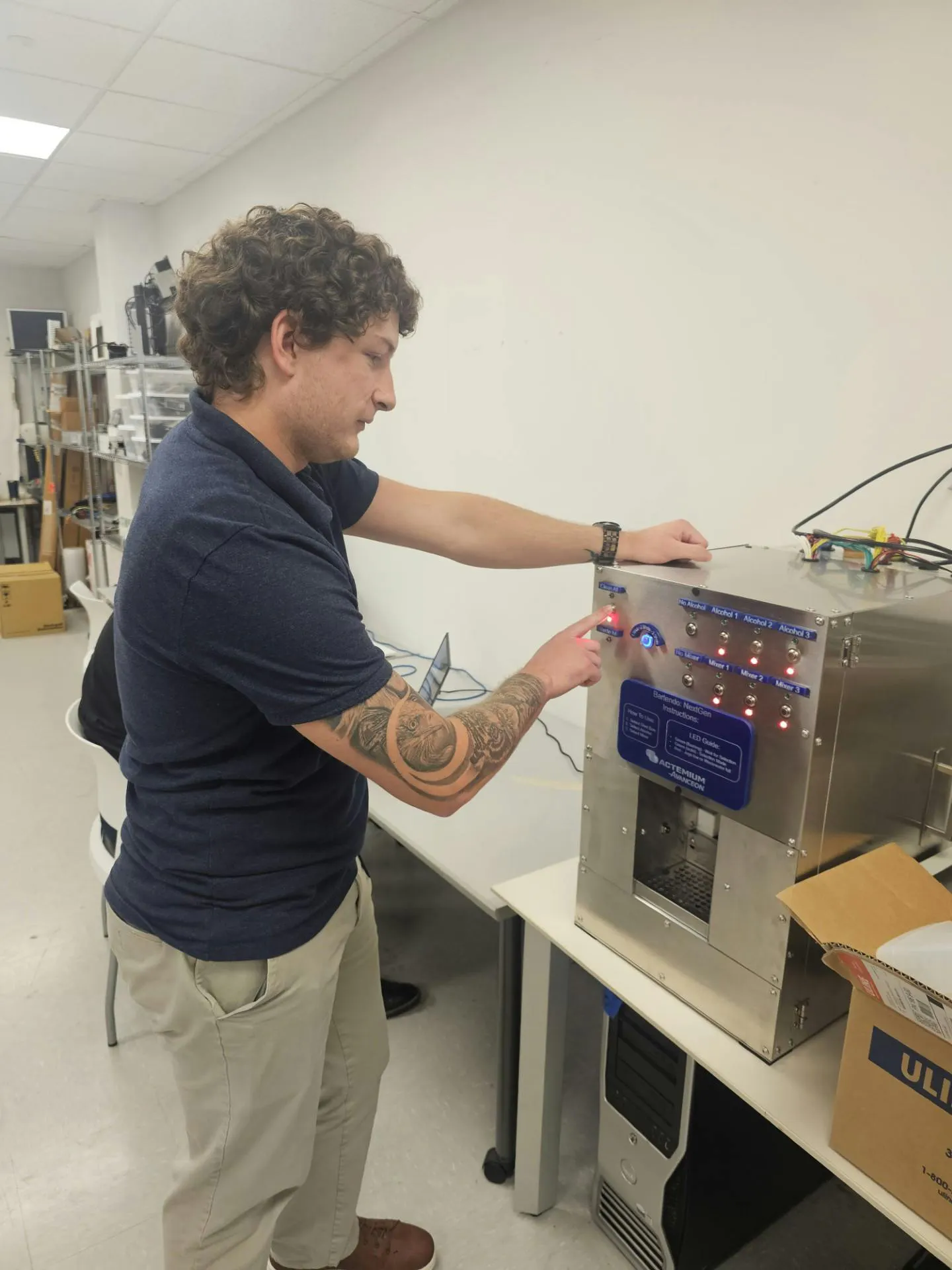
Beyond its boot camp program, Actemium-Avanceon partners with local colleges and universities, such as Penn State Berks in Reading, Pa., where it participates in curriculum development, sponsors students’ capstone projects, and provides related engineering and financial support (Figures 2 and 3).
In addition, once new employees complete its internal boot camp, they can also be nominated by their managers to participate in the company’s 18-month Emerging Leaders program, which combines self-paced learning, facilitated discussions and business-focused development designed to help participants grow beyond their technical roles. Topics include leadership, effective communication, delegation, difficult conversations, influencing others and emotional intelligence (EQ). Participants also meet with third-party representatives from a worldwide, executive peer-group coaching and education provider.
Get your subscription to Control's tri-weekly newsletter.
Preparing for aid from AI
To further extend their collaborative capabilities, Johnson adds that she and Actemium-Avanceon’s staff have been exploring mainstream AI tools and adapting some to help with their system integration projects (Figure 4).
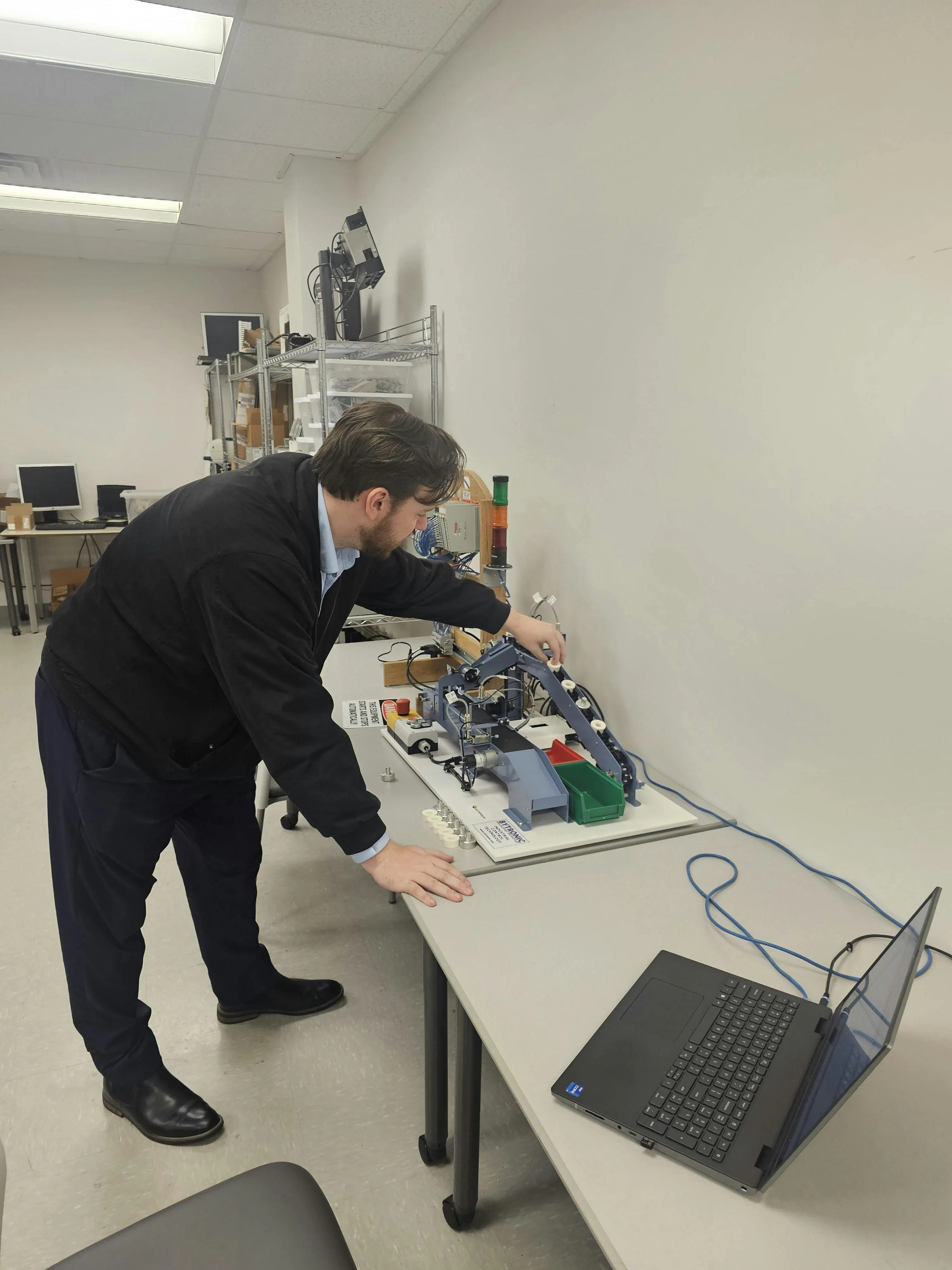
“I use AI as an interactive thought partner,” explains Johnson. “I can talk through an idea, use it to challenge my thinking with questions, conduct research, improve communications, and help turn concepts into usable outputs. It allows me to spend more time focused on the problem we’re trying to solve and the outcome we want to achieve, while using technology to improve speed, efficiency and quality. We’ve also developed an internal tool called AI Project Assistant, which is currently being built out and tested before deployment. It operates within a secure environment, with governance in place to protect customer data and intellectual property and to ensure our use of AI aligns with customer agreements and master service agreements (MSA). The tool is designed to bring project content and context together across the project lifecycle, including RFPs, specifications, kickoff and scheduling information, design and testing, implementation, startup, maintenance and lifecycle support.”
Johnson explains that giving AI access to relevant project context lets engineers retrieve information, analyze documents and code, compare versions and generate outputs based on project requirements. “The value isn’t simply putting documents in one place,” Johnson says. “It’s being able to use the context contained in those documents. For example, an engineer can compare versions of code, review information against specifications or identify differences that might otherwise require significant manual effort. Used correctly, this can reduce rework, and improve consistency and quality.”
Johnson reports that Actemium-Avanceon is taking a measured approach to implementing AI in engineering applications. “We’re using AI primarily to augment engineering and business processes, rather than allowing it to operate autonomously in field applications,” she explains. “The goal is to help our people work more efficiently and produce higher-quality results, while keeping human judgment and accountability at the center.”
AI can also assist with business processes such as proposal development by generating content in Actemium-Avanceon’s standard format, which can save time on a process that might otherwise take several hours.
“I think engineers who learn how to use AI effectively will have an advantage,” adds Johnson. “The opportunity isn’t to replace engineers. It’s to enhance what good engineers are already capable of. If we can help people work faster, analyze larger amounts of information and produce better results, while still applying their experience and judgment, that creates value for both our employees and our customers.”
Experience guides AI
Despite digitalization, AI and other recently developed tools, Johnson adds that hands-on experience remains extremely valuable. However, experience takes time to develop, so it shouldn’t be undervalued even as AI capabilities advance quickly.
“There has to be a balance between experience and AI,” says Johnson. “A team of talented people may be able to solve a difficult problem, but there is still tremendous value in having someone at the table who has encountered and solved that problem many times before. Experience builds judgment. Solving something correctly once is different from solving it repeatedly under different conditions and understanding why one approach works and another doesn’t.
“The biggest shift isn’t simply about engineers knowing more technology. It’s about using technology, experience and judgment together to create more value based on a customer’s specific needs and goals. AI can help engineers work more efficiently, analyze more information and improve the quality of their work, but it remains a tool. Experienced people still need to apply critical thinking, understand the customer’s objectives and ultimately determine whether a solution makes sense.”
This is the tenth installment of Control's August workforce cover story. Read the other installments here.
About the Author
 Jim Montague
 Leaders Logo
Leaders relevant to this article: