IMI improves valve reliability at South Korean combined-cycle plant

IMI reported June 9 that it recently resolved repeated valve failures, improved reliability and reduced maintenance requirements for a turbine-cooling line at Pocheon Combined Cycle Power Plant (CCPP) in Gyeonggi Province, South Korea. The utility supplies electricity to the national grid, and plays support regional power demand with high-efficiency, gas-fired generation (Figure 1).
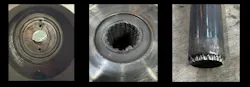
Located where the cooling line discharges fluid to near atmospheric pressure, existing valves failed due to pressure differentials of approximately 200 bar and temperatures exceeding 300 °C. These conditions created severe flashing in the valve, which generated high-velocity droplets that rapidly eroded its internal components and damaged surrounding pipework. This damage also caused flow control losses, internal leakage and progressive equipment degradation, leading to frequent shutdowns and ongoing maintenance interventions. Internal trim components required replacement every three to six months, increasing both direct maintenance costs and wider operational disruptions (Figure 2).
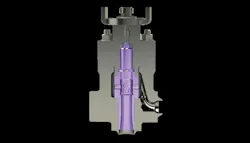
To alleviate valve damage and resolve these issues, IMI implemented a valve solution engineered for severe-service conditions. Drawing on its EroSolve technology, IMI redesigned internal valve structures at Pocheon CCPP to better manage flashing and extreme pressure drops. IMI reports its solution focuses on controlling how energy is dissipated in the valve. It consists of a multi-stage pressure reduction design that manages that manages the turbine-cooling line’s pressure drops more effectively, while hardened trim materials improve resistance to erosion. The valve’s internal flow path was reconfigured to relocate the flashing point away from critical sealing surfaces, reducing damage to the seat and plug. Further enhancements include a multi-turn plug to gradually dissipate energy and reduce vibration, as well as an improved sealing geometry to maintain performance under sustained, high-pressure conditions. Together, these changes stabilize operations and reduce component wear (Figure 3).
“Applications involving high pressure drops and flashing place extreme stress on conventional valve designs,” says Roby Buyung, president for process automation at IMI. “The key is not simply resisting that environment, but controlling how energy is managed within the valve itself. At Pocheon, by redesigning the internal flow path and staging the pressure reduction, we’ve been able to significantly reduce erosion and extend operational life, even under these demanding conditions.”
After installing IMI’s redesigned valve, Pocheon CCPP reported that it experienced markedly improved performance. Inspection after one year of operation showed minimal signs of erosion, with no major maintenance required. As a result, maintenance intervals were extended from three to six months to between 18 and 24 months, reducing downtime and improving overall plant reliability.
