Sustainable transformation headlines Endress+Hauser Global Forum
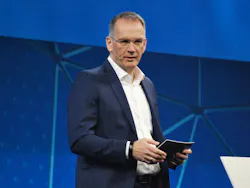
During the week of April 13, Switzerland’s Congress Center Basel was the site of Endress+Hauser’s Global Forum 2026, the company’s second triennial meeting of the minds, bringing together nearly 2,000 customers, partners and employees from 70 countries around the world.
Dr. Peter Selders, CEO of the family-owned global leader in process instrumentation, opened the event’s general session, discussing the challenges that industry faces as well as the opportunities these challenges present.
“Our theme this week is Driving Sustainable Transformation Together,” Selders said. “Everything is changing all at once, yet we all must deliver, perform and improve daily. Meanwhile, we also must balance performance, resilience and responsibility."
Transformation is not optional and it does not happen overnight, he added. “It’s often uncomfortable but it’s always meaningful.”
Sustainability, in particular, remains a cornerstone of Endress+Hauser’s mission although it’s been refocused through a “Sustainability 2.0” lens, which judges changes in company practice not only on their environmental impact but also on their ability to deliver greater value to a company’s customers. “In short, sustainability shapes direction, and cooperation makes it possible,” Selders said.
Sustainability 2.0
To elaborate further, Selders ceded the keynote stage to Dr. Goutam Challagalla, author of the book Clean Winners – Sustainability Strategy That Puts Customers First. “We’ve entered a new era,” Challagalla began.
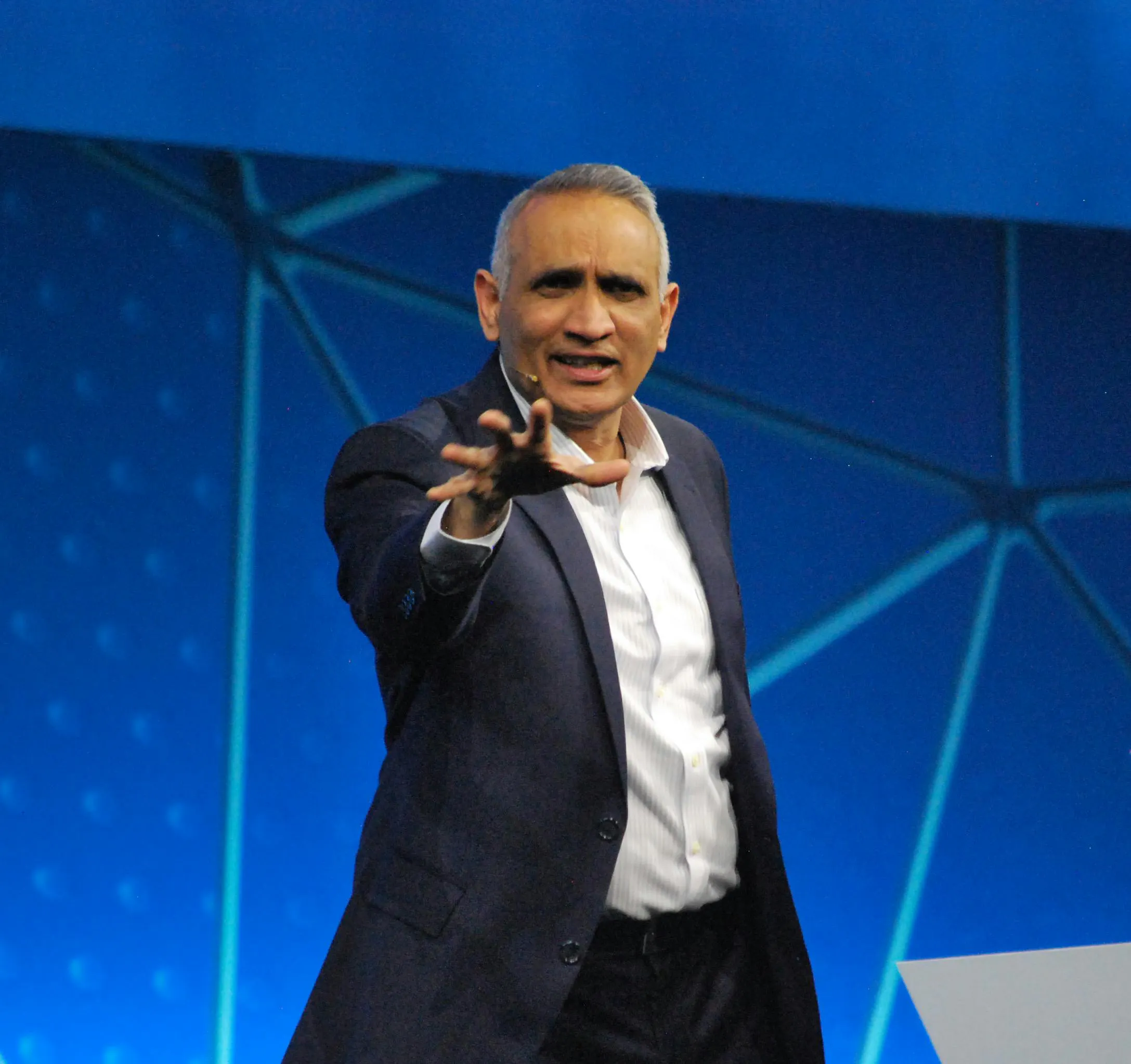
He cited the three F’s that have characterized shifting attitudes toward sustainability. First, those who have Fled the movement, saying “good riddance to greenwashers.” Second, those who have Frozen, saying “we’ve done a good bit but we’re staying put.” And finally, those who have decided to Fight "and are now doubling down."
“Sustainability 1.0 was started by people with passion, who made us aware,” Challagalla said. “Then came the ideal of doing well by doing good, with the idea of creating value for society and reaping the benefits.”
Challagalla cited an early McKinsey study indicating that many companies and consumers cared about sustainability and were willing to back it up with their wallets—a relationship that now seems to have confused correlation with causation. “This is how we want the world to work,” he said. “But it turns out that most of sustainability sits next to the business.”
He went on to describe the emergence of Resonators, the organizations that are asking themselves how they can use sustainability to create more customer value in terms of performance or affordability. He cited John Deere for smaller tractors that use less fuel, increasing productivity and reducing costs in the process. Another successful Resonator is Reckitt, the maker of the Finish dishwasher detergent that first encouraged not rinsing dishes before washing. "No rinsing means less water and less work," Challagalla explained. "Sustainability has become an innovation accelerator, a new, broader way of looking at customer value."
"Sustainability has been an Endress+Hauser core value for more than 20 years," added Dr. Andreas Mayr, chief operating officer. "The process industries are not the problem. We are a path to the solution," he said. "And transformation starts with our mindset."
Workforce faces global redistribution
"Imagine walking into your place of work five years from now," began Dr. Katherina Herrmann as she addressed the Endress+Hauser Global Forum assembly. "Do you envision different people? Fewer people? Doing different things?"
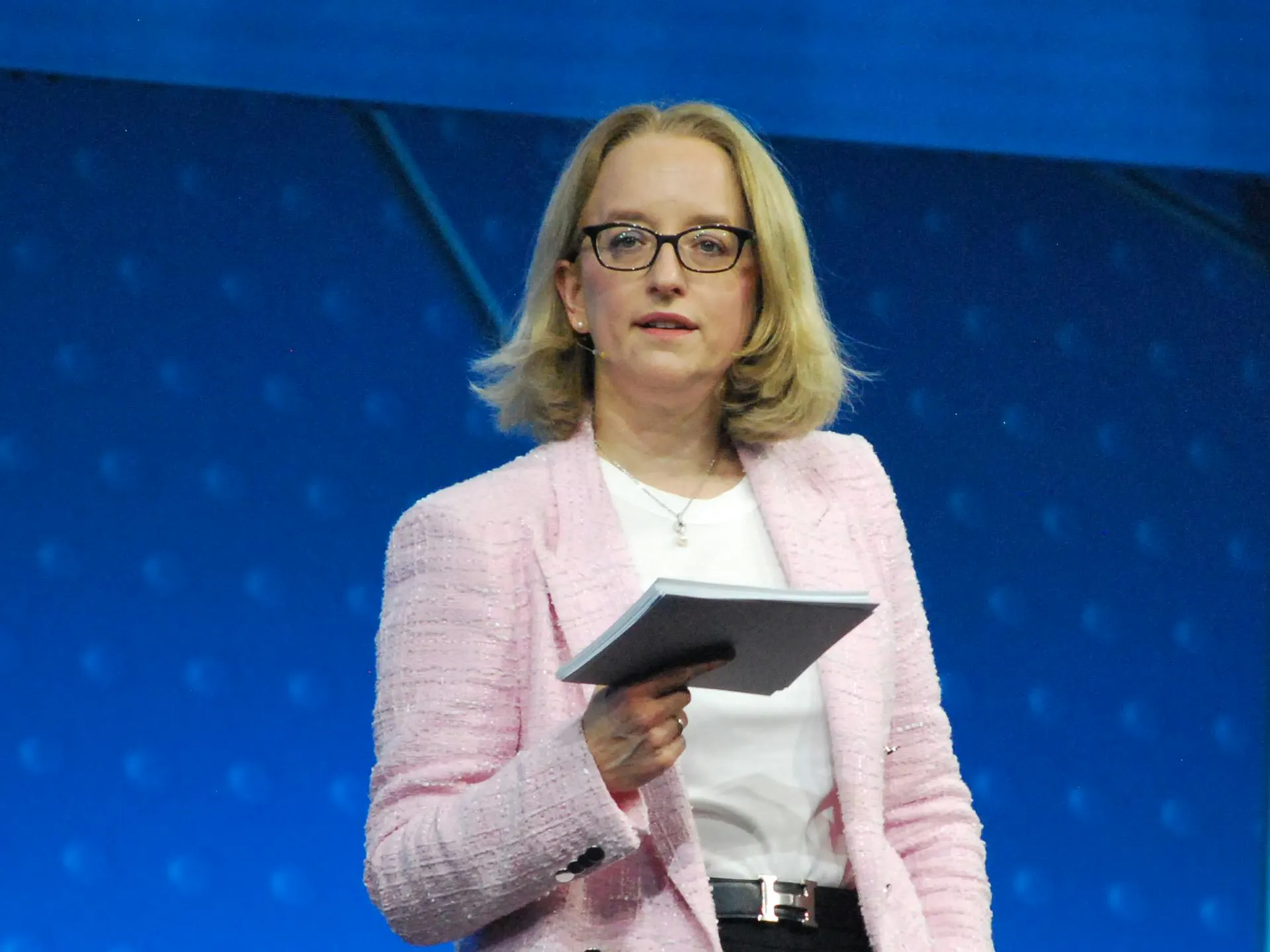
"63 countries are shrinking in terms of population; they currently account for 14% of global population with the highest wages," she said. Meanwhile, the 126 countries with the lowest wages are growing in terms of population.
"A talent shift is underway," Hermann said. "And talent must become truly global to enable people all over the world to participate in the economy."
"Reskilling, too, is becoming the new normal," she said. If the global workforce were 100 people, 41% would not need reskilling by 2030, 29% would be upskilled in their current role; 19 would be upskilled and redeployed, and the final 11 are unlikely to receive the necessary reskilling to remain relevant, she said.
Our options at the shallow end of the workforce pool are to recruit more employees from new areas of population growth, rethink our hiring filters, build pipelines from scratch and make retaining experienced workers--even older ones--a higher priority.
"Are you still fishing from the same pond?" Herrmann asked. "More diverse workforces have been shown to make better decisions." Actions to encourage include awarding promotions based on merit, not age, and reverse mentoring of older workers by tech-savvy younger ones.
AI and reskilling a strategic investment
And while AI will certainly replace human workers when it comes to some tasks, it can also be an amplifier of human potential. "Think in terms of augmentation, not replacement or elimination," Hermann said. "And while an estimated 40% of current tasks/skills will be disrupted, culture and leadership will win the AI challenge. Reskilling will become routine: a strategic initiative with returns on investment."
"Transformation creates uncertainty and opportunity," added Dr. Katja Windt, Endress+Hauser's incoming chief operating officer, who assumed the role May 1st. “Tech must empower the workforce; we need to ask how AI can unlock new skills and roles and move our workforce from routine tasks to delivering customer value."
About the Author
 Keith Larson
Keith Larson
Group Publisher
Keith Larson is group publisher responsible for Endeavor Business Media's Industrial Processing group, including Automation World, Chemical Processing, Control, Control Design, Food Processing, Pharma Manufacturing, Plastics Machinery & Manufacturing, Processing and The Journal.